

In 1976 one of the best pieces of music journalism of all time appeared in the Sunday Times Magazine.
Gordon Burn’s A Hard Week’s Night, with photographs by Red Saunders, documented a night at Wigan Casino.
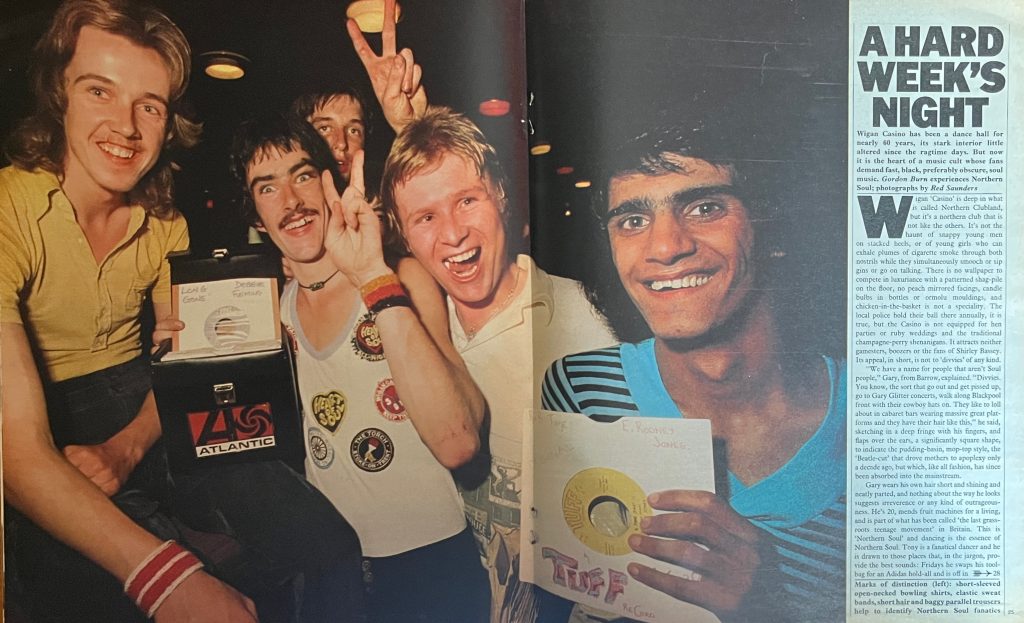
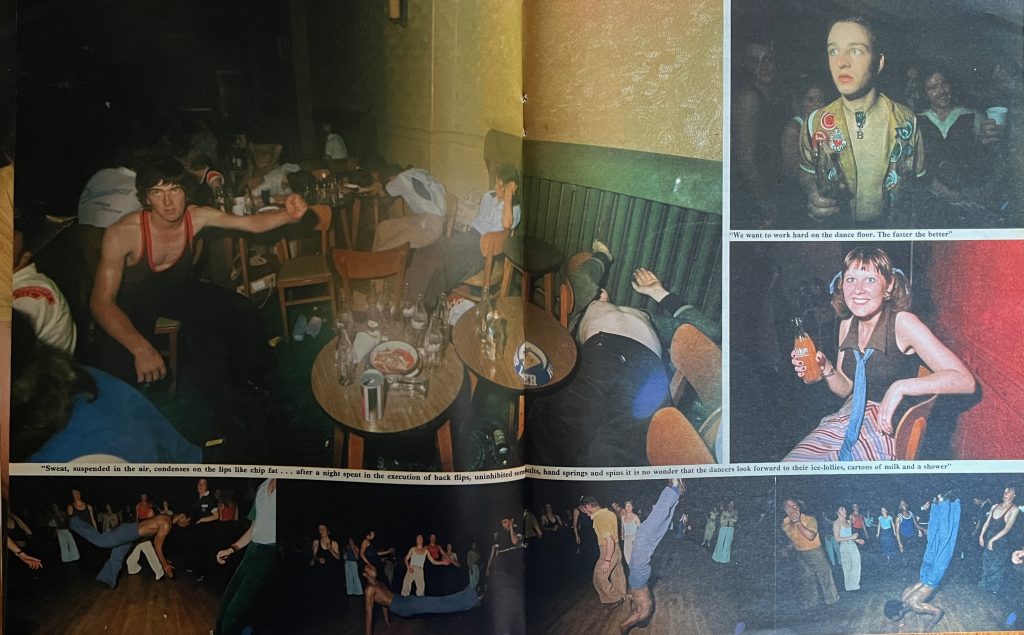
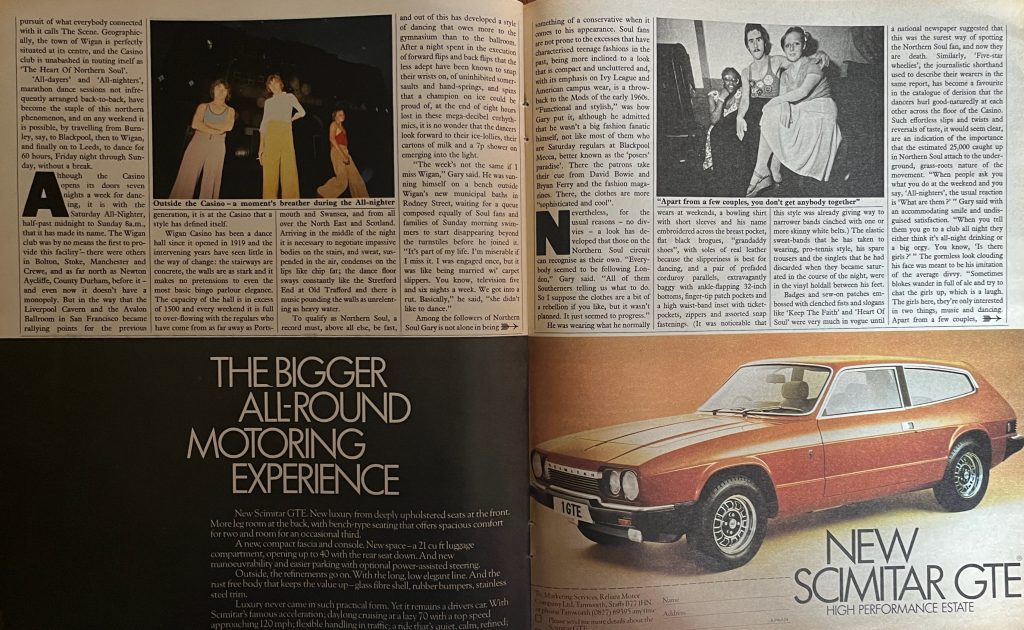
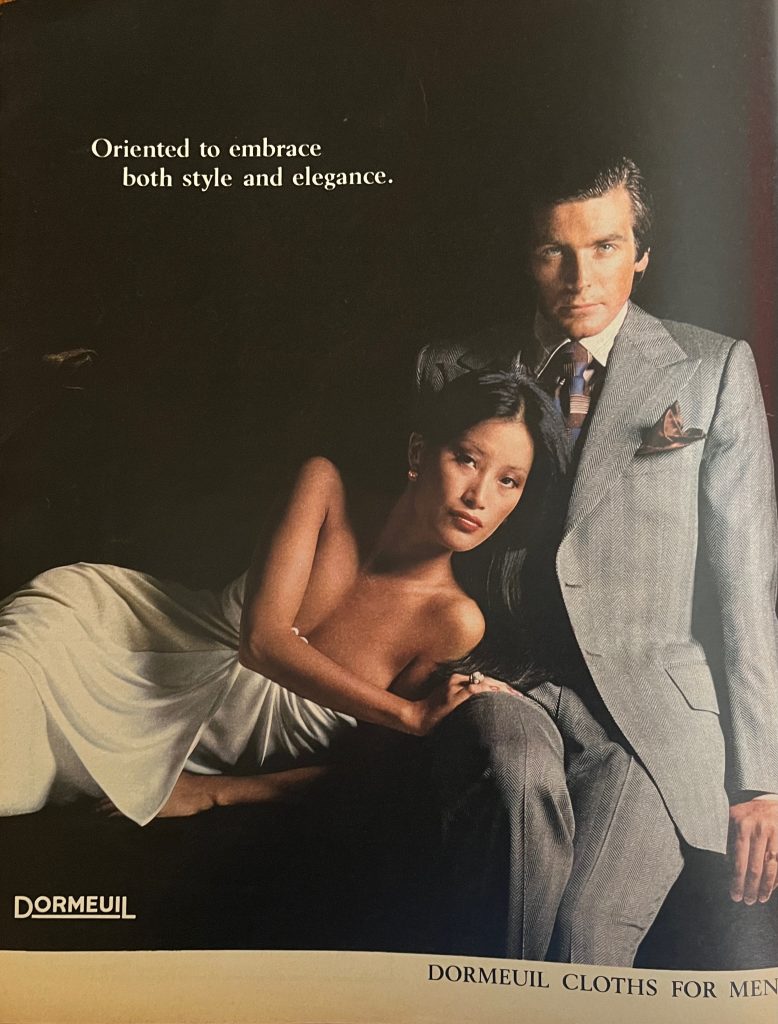
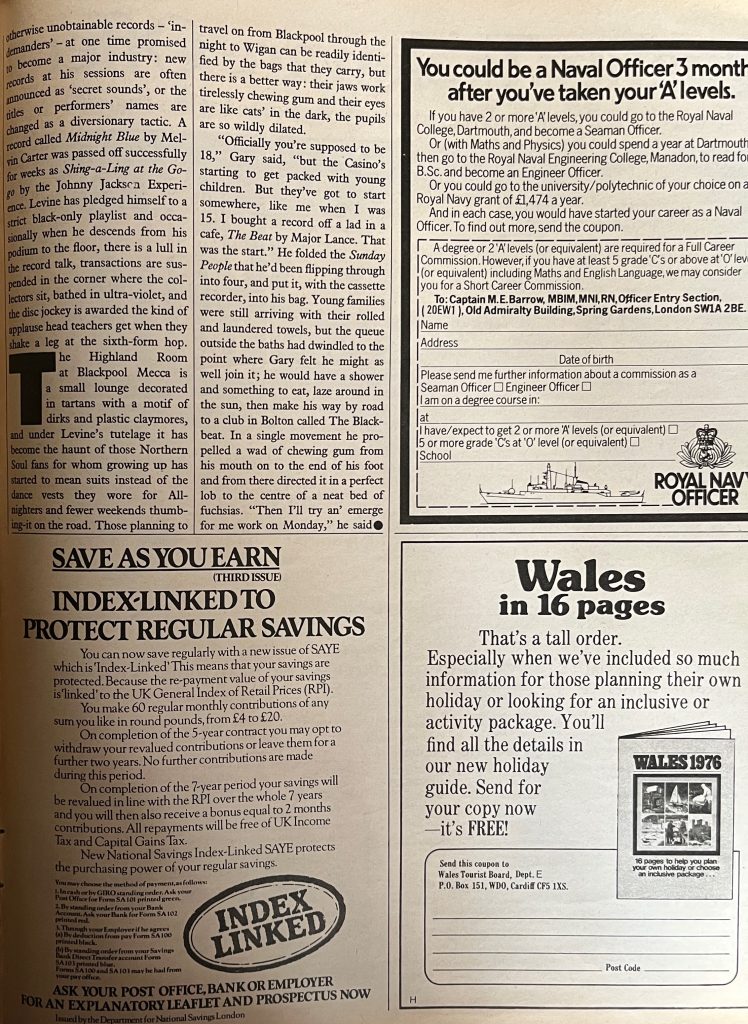
Burn is a bit of a hero of mine, although describing him as a music journalist doesn’t really do him justice. He subsequently wrote Somebody’s Husband, Somebody’s Son about Peter Sutcliffe and Happy Like Murderers, his extraordinary book about Fred and Rose West. He was attracted to subjects which revealed something about Britain that wasn’t necessarily very comfortable to look at.
In 1976 he went to Wigan. Reading the article again fifty years later, one question nagged me.
Why is Northern Soul still cool?
If I invited you to a Teddy Boy night, you’d probably expect people in fancy dress having a laugh. A hippy evening would be much the same, only with worse trousers.
Northern Soul isn’t like that. People still take it seriously.
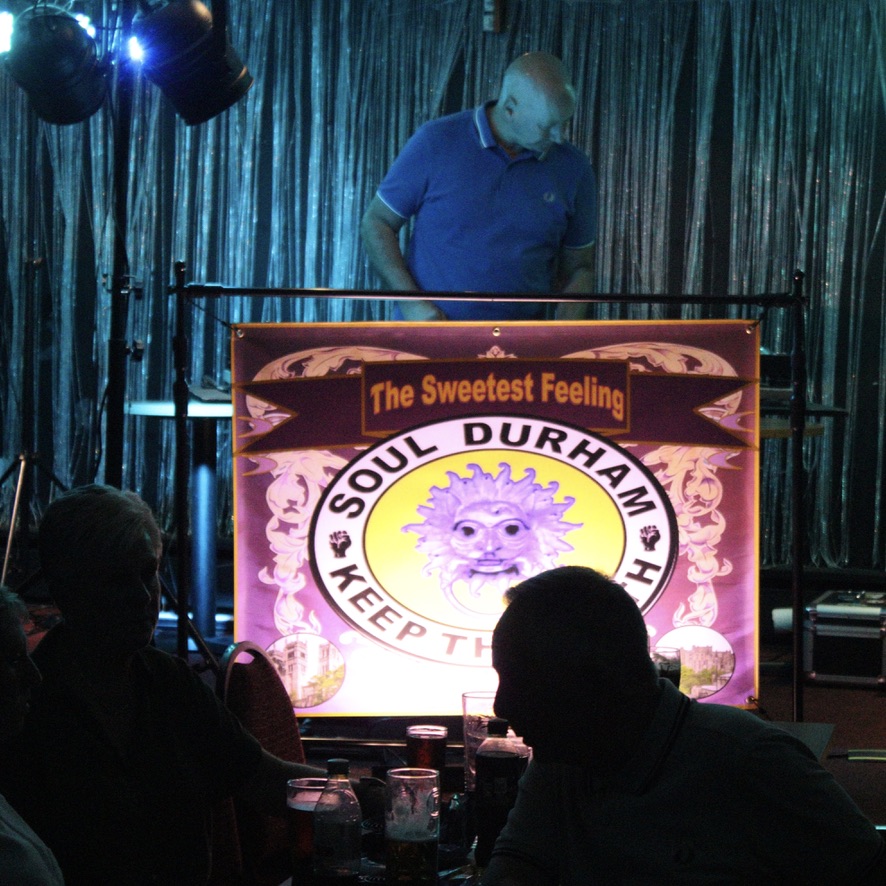
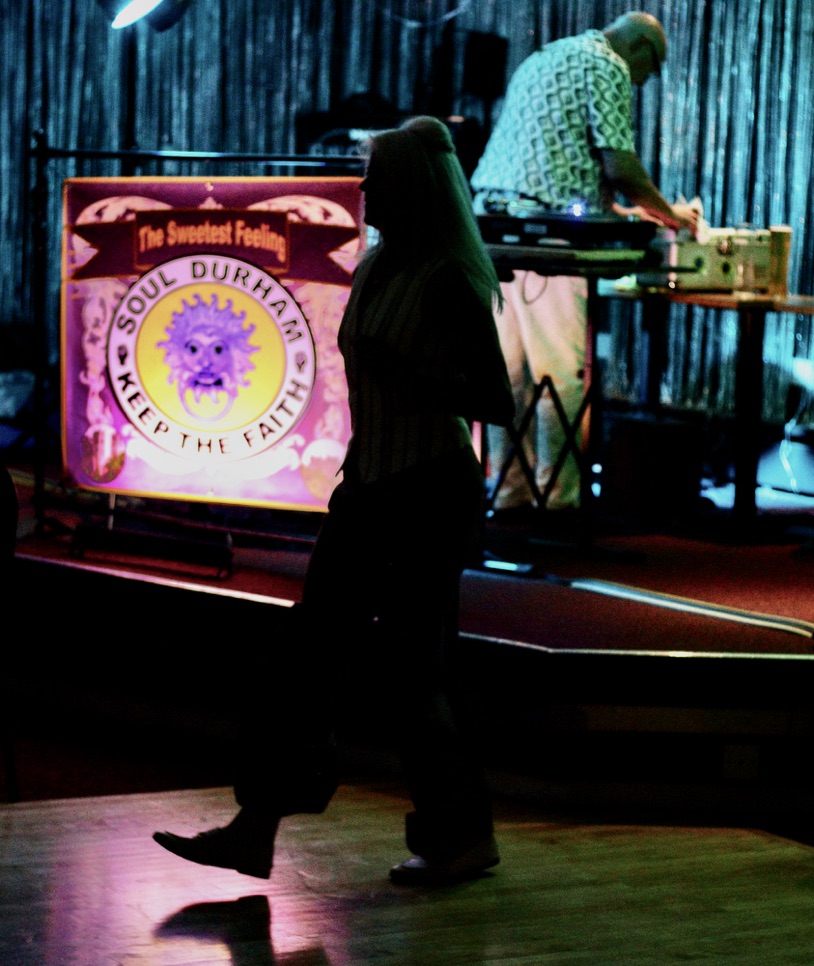
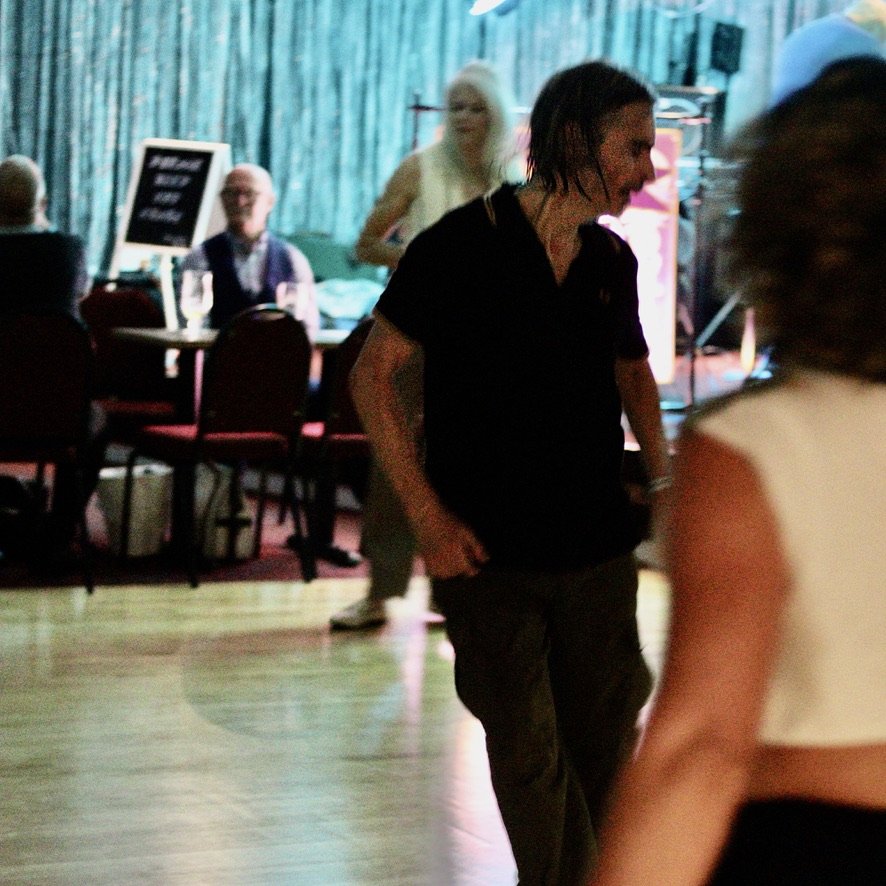
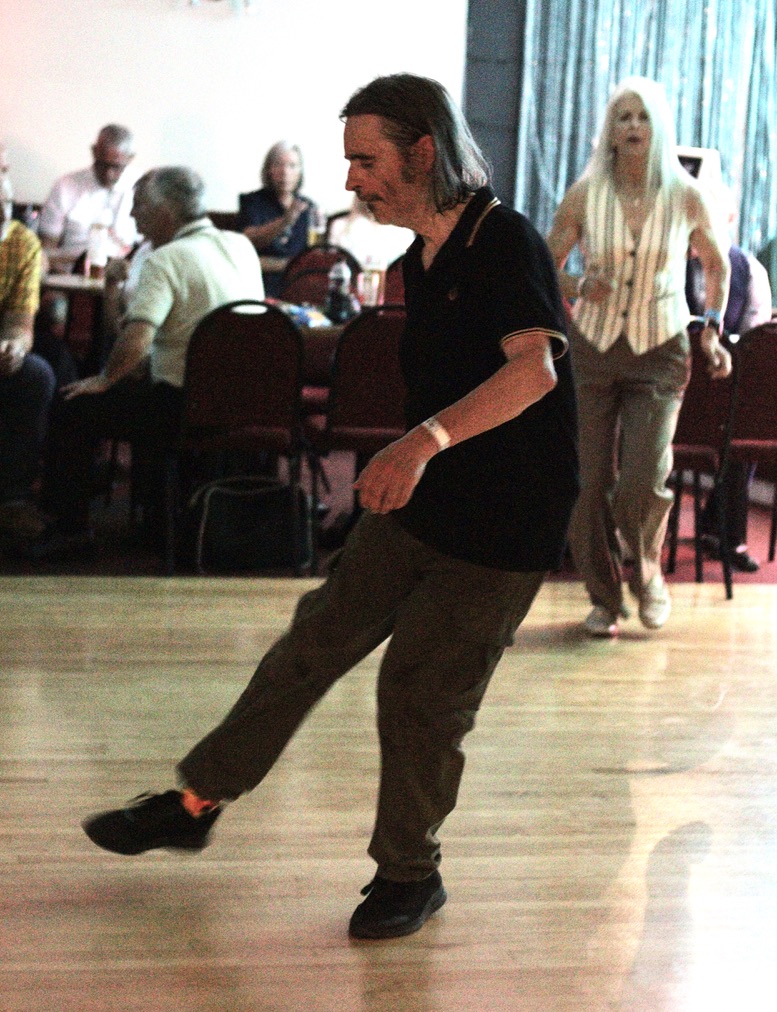
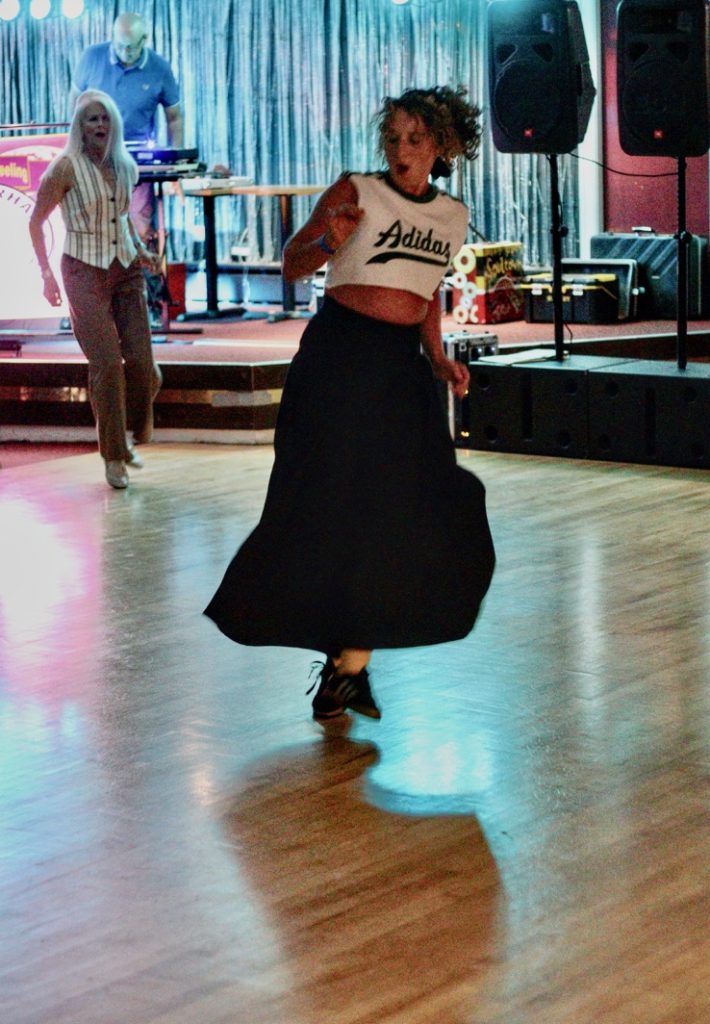
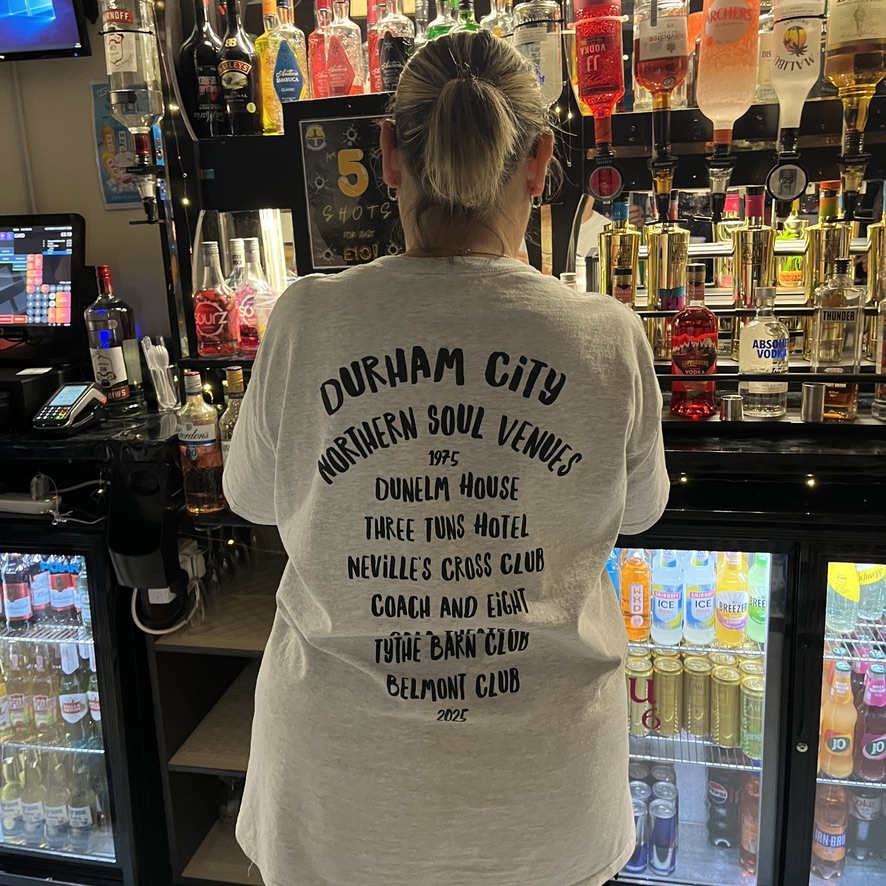
So, fifty years after Burn went to Wigan Casino, I went to Belmont Social Club to attempt a few moves on the dance floor.
Ten Years Earlier
The strange thing about Burn’s article is how quickly all this happened.
Go back just ten years from Wigan Casino in 1976 and Black recording artists were only beginning to break through into the British pop mainstream in large numbers. There had been exceptions. Harry Belafonte was a major star. Winifred Atwell had become the first Black artist to have a UK number one. But Black American music had struggled to get the same traction in the British charts as white American pop.
Then things changed remarkably quickly. The Motown Revue toured Britain in 1965. James Brown played his first British dates in 1966. The Stax/Volt tour followed in 1967, bringing Otis Redding, Sam & Dave, Booker T. & the MG’s and others. In the summer of 1966 — sixty years ago — more Black recording artists had hits in the British charts than had done so in the entire history of British chart music up to that point.
Soul had arrived.
But soul wasn’t one sound. There were ballads, bluesier R&B, gospel influences and increasingly sophisticated productions. What really caught on in Britain’s clubs was one particular part of it: fast, driving, uptempo soul that made people want to dance. For a few years there was plenty of it. Motown and dozens of smaller American labels were turning out records with pounding drums, urgent vocals and enough momentum to keep a dance floor moving.
Then something inconvenient happened. Black American music moved on.

What If You Don’t Want to Move On?
By the beginning of the 1970s soul was changing. Funk had arrived. Production was becoming more sophisticated. Soon disco would transform dance music again. But across Britain — and particularly in the Midlands and North of England — there were still people who wanted to dance to that particular sound.
So what do you do when nobody is making enough of the music you want anymore? You find some more. There were thousands upon thousands of American soul records from the 1960s which had barely been heard in Britain. Some had been released by tiny regional labels. Some had never received a British release. Some had simply flopped.
And suddenly a commercial failure from Detroit five years earlier could become treasure. DJs and collectors began digging through boxes of American 45s, searching record shops, buying old stock and travelling to America looking for records nobody back home had heard.
And something important happened. Britain had always had obsessive record collectors, particularly people hunting down obscure Black American music. Britain had DJs too. But they weren’t necessarily the same people. The collector wanted the record nobody else knew existed. The DJ generally played records people wanted to hear.
Northern Soul brought the two together.
Now part of the DJ’s skill was discovery: finding an obscure American single nobody else owned and having the judgement to realise that a forgotten commercial failure could fill a dance floor. The DJ wasn’t simply playing the hits anymore. The DJ was deciding what the hits were.

The Future Arrived in Wigan
We tend to tell the history of modern dance culture through glamorous places. New York. Chicago. Detroit. Ibiza. The Paradise Garage. Studio 54. The Warehouse.
Wigan doesn’t generally make the list. It probably should. Because in clubs such as Manchester’s Twisted Wheel, the Golden Torch in Stoke and eventually Wigan Casino, some of the things we now regard as completely normal parts of dance culture were already taking shape.
People travelled enormous distances to hear particular DJs play particular records. The DJs built reputations around records other DJs didn’t have. The records themselves acquired a hierarchy of rarity and cool. And the dance floor developed its own language.
Northern Soul dancers spun, kicked, dropped and threw themselves into increasingly athletic moves. At almost exactly the same historical moment, another athletic dance culture was developing thousands of miles away in New York. Breaking would eventually become part of the accepted international history of popular culture.
The kids doing extraordinary things on dance floors in Wigan and Stoke received rather less attention. I’m not suggesting that Northern Soul invented breakdancing, or that somebody in the Bronx had secretly been studying the dance floor at Wigan Casino. The interesting thing is precisely that they weren’t connected. Similar ideas about DJs, records, individual dancing and the club as a destination were emerging independently in very different places.
Modern dance culture wasn’t invented in one city. Some of it was being invented in fairly unglamorous towns in the North of England.
Water, Coca-Cola and Speed
People who had been part of that original Northern Soul generation remember travelling to all-nighters, with coaches carrying dancers around the country from one club to another.
These weren’t nights built around drinking. If you’re planning to dance until breakfast, six pints of bitter isn’t really performance enhancing. People drank water. Coca-Cola. And, as he cheerfully remembered, there were rather less legal ways of keeping yourself awake. Amphetamines were part of the scene. People took speed and danced through the night.
But what struck me listening to him wasn’t really the drugs. It was the travelling. People were prepared to get onto a coach and travel halfway across Britain simply because somebody in another town had a record they wanted to dance to.
The music made the destination.
The Fastest Revival in Pop History
And this is where the chronology becomes strange. The explosion of Black American music into the British mainstream happened in the summer of 1966. Burn arrived at Wigan Casino in 1976.
Ten years. That’s all.
We spend a lot of time talking about how quickly culture moves now, but those ten years must have felt like an eternity. Between 1966 and 1976 came psychedelia, progressive rock, heavy rock, funk, glam, disco and the beginnings of punk. Records from 1966 could already sound as though they belonged to another world.
And yet Northern Soul wasn’t really nostalgia. Someone who was sixteen at Wigan Casino in 1976 had been six years old in 1966. They weren’t necessarily reliving the soundtrack of their adolescence. More importantly, many of the records they were dancing to hadn’t been hits in the first place. They were discovering them for the first time. You can’t really be nostalgic for a record you’ve never heard before.
In barely a decade, a sound had gone from new, to mainstream, to unfashionable, to obsolete — and then come back as underground cool. Fifty years later, people are still dancing to it.

OVO
Northern Soul does, admittedly, contain some weapons-grade record collecting. There is a wonderful acronym in Northern Soul circles:
OVO. Original Vinyl Only.
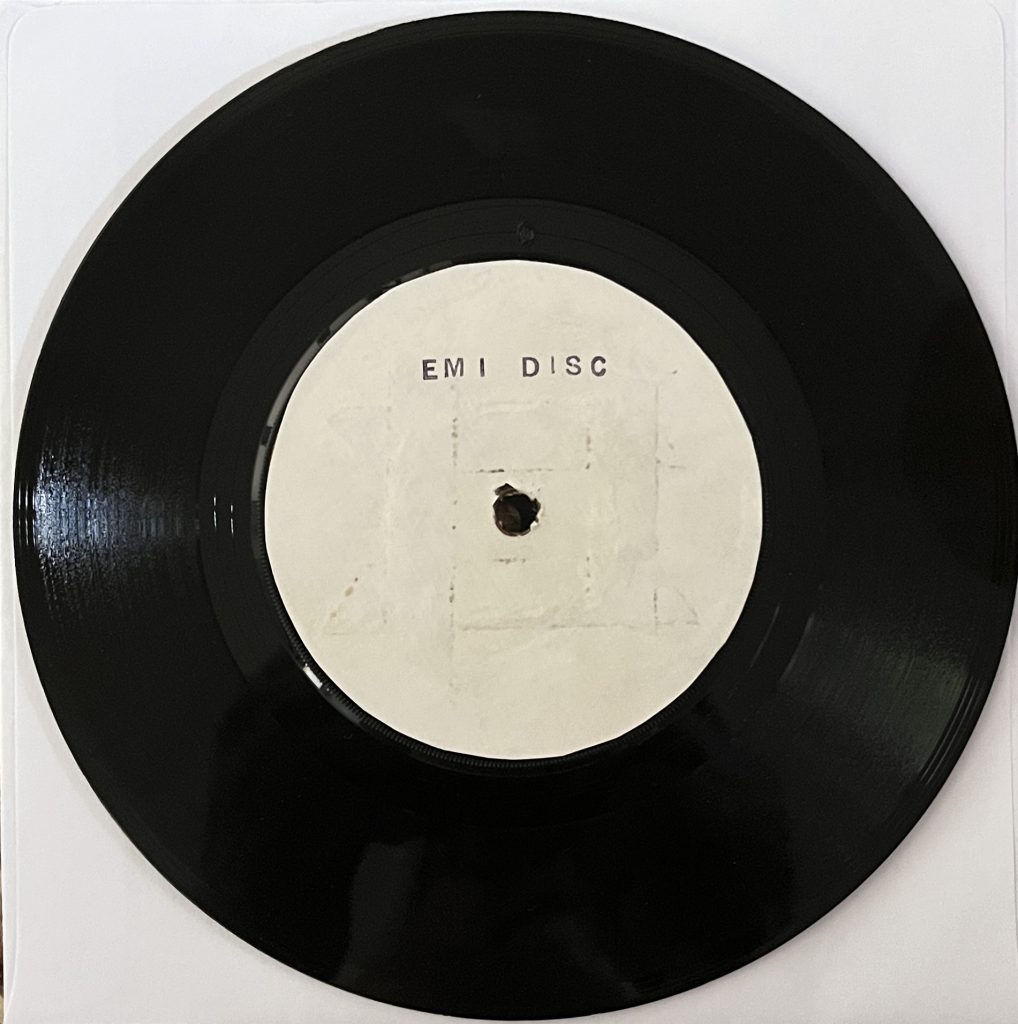
If you’re going to play a record, you play the original 45. Not a reissue. Not a compilation. Not the same recording conveniently available for £8.99 when the original costs hundreds or thousands of pounds. The original.
Part of me thinks this is ridiculous. Another part of me completely understands it.
My own introduction to Northern Soul was considerably less authentic. I got seriously interested in music in the late 1970s, mostly through mod and Two Tone. Alongside the Jam and the Specials I listened to plenty of soul and R&B, ska and reggae. There were still Northern Soul nights going on, although the original scene was supposedly coming to an end. They had a mystique about them, not least because they seemed to happen in the oddest places. Peterlee Community Centre was one.
Then, in the early 1980s, Kent started releasing its Northern Soul compilations. I bought them. So much for OVO.

Does Any of This Actually Matter?
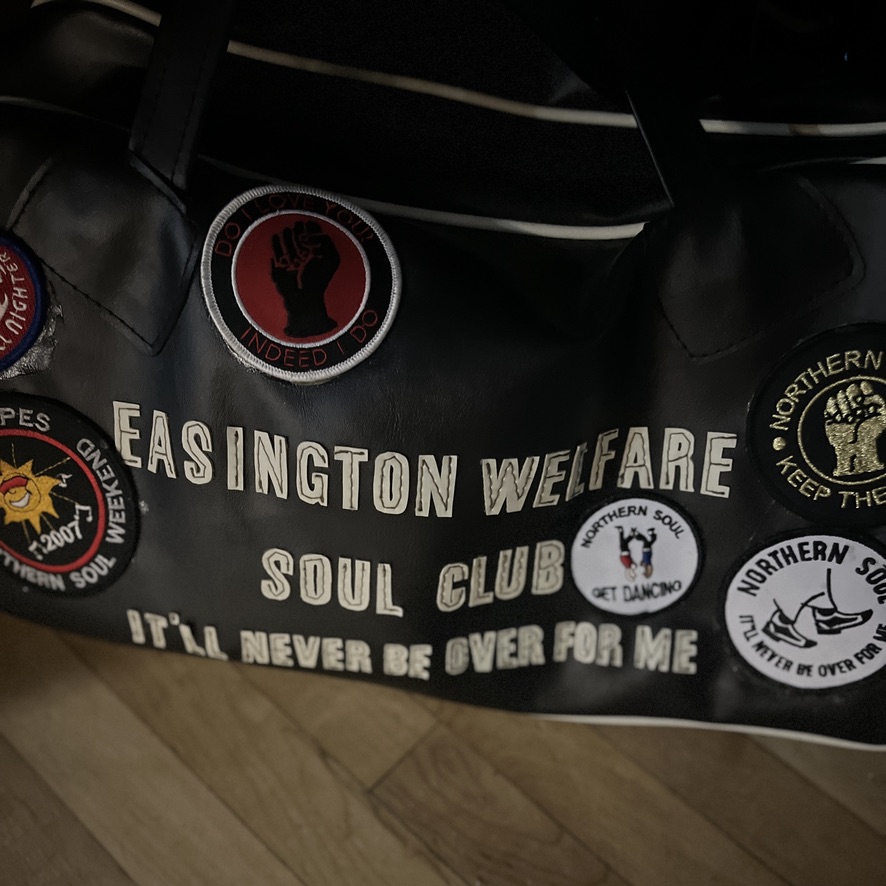
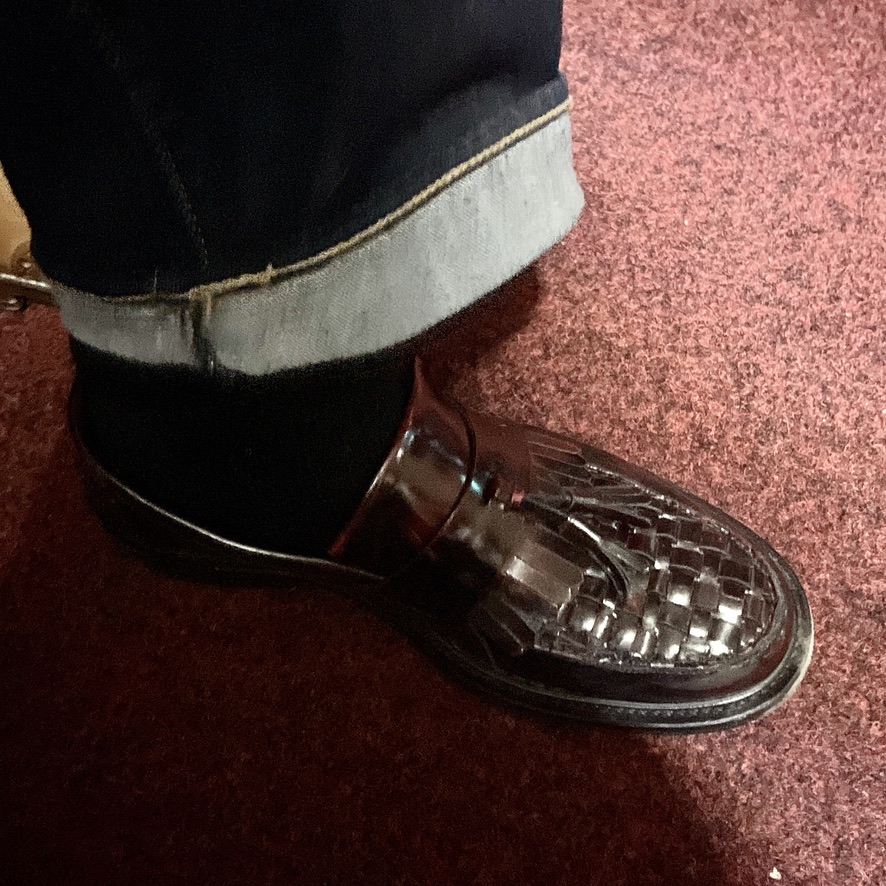
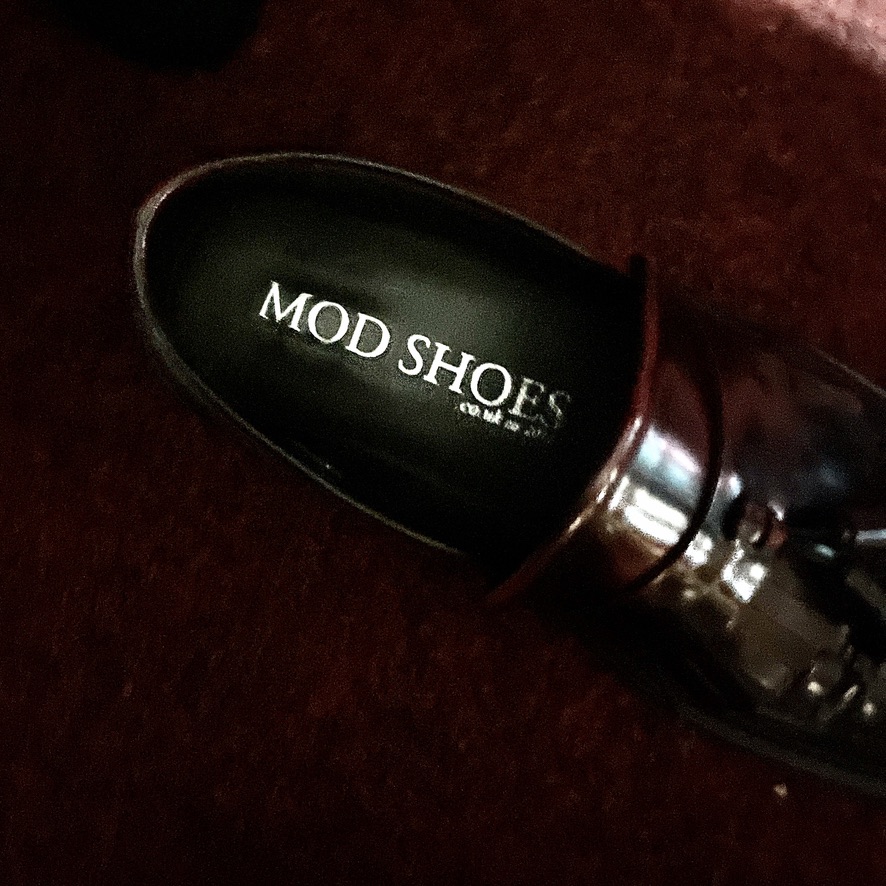
Northern Soul has plenty of hierarchies. There are cool records and less cool records. There are people wearing beautiful loafers, stingy-brim hats and carrying bowling bags. There are records so obscure that most normal human beings would struggle to distinguish them from another equally obscure record released by a different tiny Detroit label in 1966.
And there will always be somebody who knows more than you. There will always be a DJ with a rarer record. There will always be somebody on the dance floor who’s younger than you, faster than you and considerably better at dancing than you.
But here’s the odd thing. None of it really matters. Nobody at Belmont seemed particularly bothered about whether I had the right shoes. Nobody cared that I wasn’t a particularly good dancer. Nobody asked whether my Northern Soul records were original American 45s or Kent compilations bought forty years ago.
You were there. You danced. That was enough.
And I think that’s the answer to the question I started with.


Proper Smile-on-Your-Face Fun
There is something intrinsically joyful about this music. Much of the classic Northern Soul canon was recorded during the 1960s, against the extraordinary social upheaval of the civil rights era. Obviously not everything felt optimistic. America was violent, divided and racist. But the records frequently have an extraordinary sense of forward motion. Even the sad ones.
Northern Soul contains an awful lot of songs about somebody leaving you, cheating on you or breaking your heart. Yet somehow they’re often euphoric. Perhaps that’s because to be devastated about losing somebody, you must at least have had somebody worth being devastated about.
And then there is that beat. It is very difficult to remain solemn while somebody is playing a great Northern Soul record very loudly. That’s what distinguishes Northern Soul from most surviving youth subcultures. It hasn’t become historical re-enactment. It isn’t primarily about dressing up as somebody from 1974.
It isn’t even really about nostalgia.
The records still perform exactly the function for which those dancers adopted them fifty years ago. They make people dance.
I came home from Belmont afterwards and lay on my bed like a teenager, staring at the ceiling and grinning. Nothing profound had happened. I’d listened to some records. I’d danced badly. I’d talked to people. I’d had a really good time.
And perhaps after fifty years of people trying to explain Northern Soul, that’s the bit that’s easiest to miss. There will always be someone with a rarer record. There will always be someone with better clothes. There will always be someone who can dance better than you.
But that doesn’t matter It’s just fun. Actual, good old-fashioned, proper fun.

An excellent article ,thought provoking
Thanks!