
“The English are not gifted artistically. They are not as musical as the Germans or Italians.”
— George Orwell, The Lion and the Unicorn, 1940
Twenty-four years later British music dominated the world. The Beatles, the Stones, The Who, The Kinks and dozens of others became the soundtrack to a generation. By the late twentieth century Britain had become one of the world’s great musical exporters.
So what changed?
Part of the answer is obvious. Popular music emerged from America. The blues, rhythm and blues, gospel and jazz traditions that shaped modern popular music were overwhelmingly black musical forms. British musicians discovered them, fell in love with them and built something new from them.
But another part of the answer is less often discussed.
Immigration.
The Windrush generation changed Britain in countless ways. One of them was musical. The children who formed the beat groups of the 1960s were the first generation of white British musicians to grow up alongside black neighbours and classmates. They played rhythm and blues because it was the music that surrounded them. The people they admired were often black musicians.
The bands may have been white, but they were white boys playing black music.
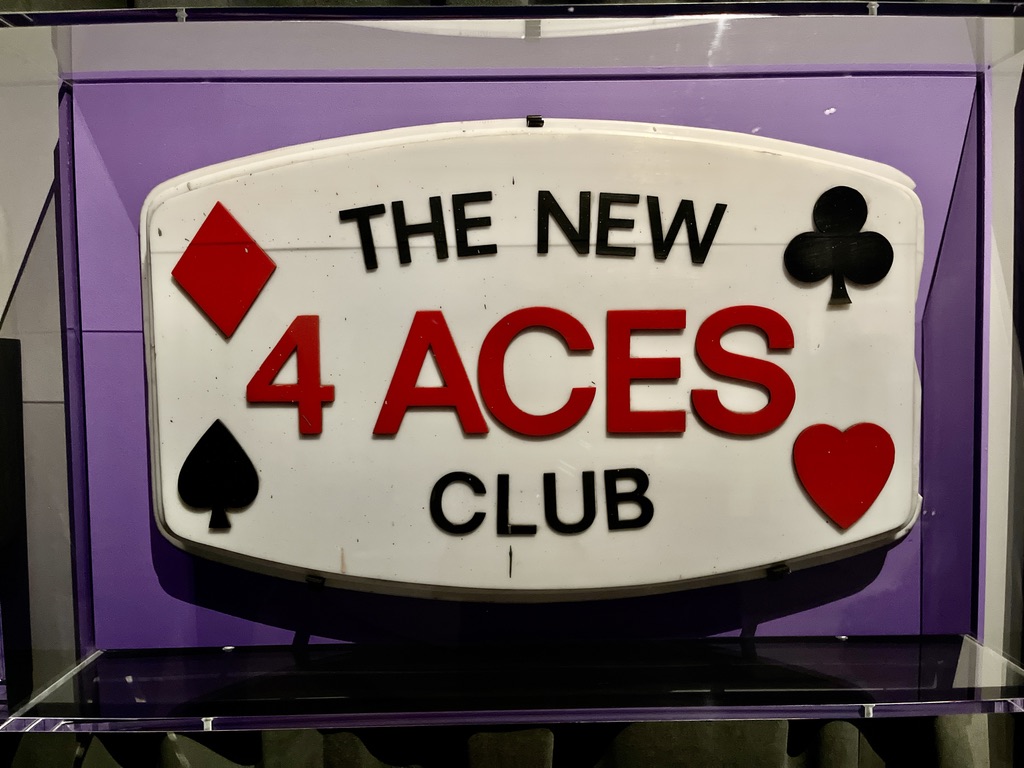
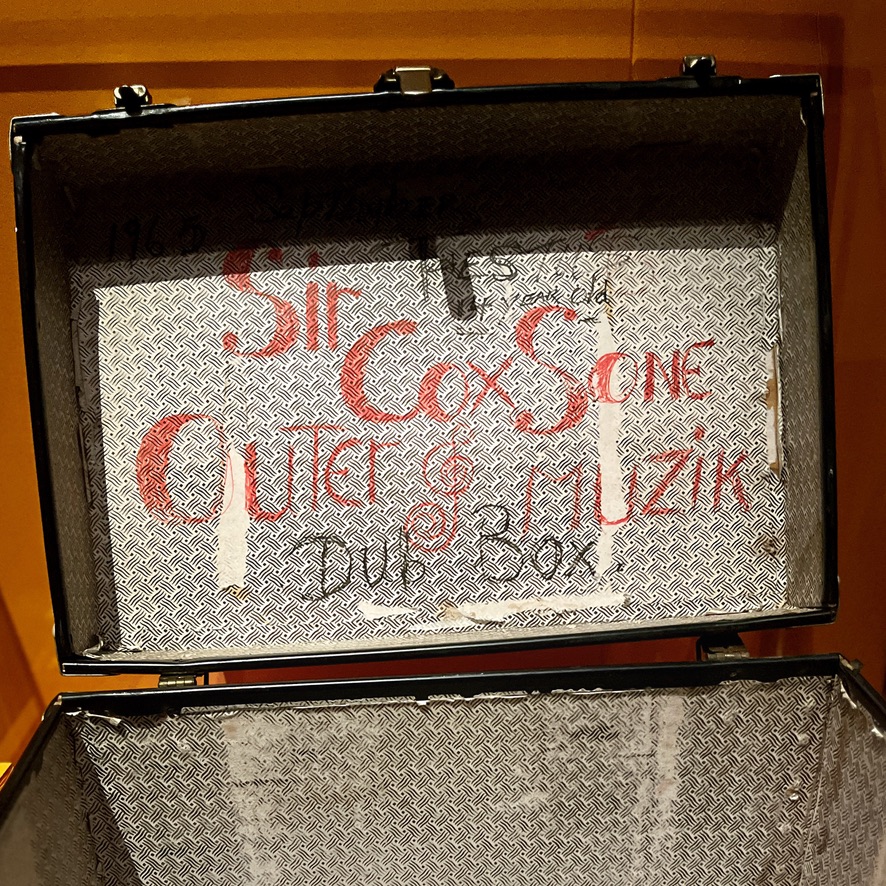
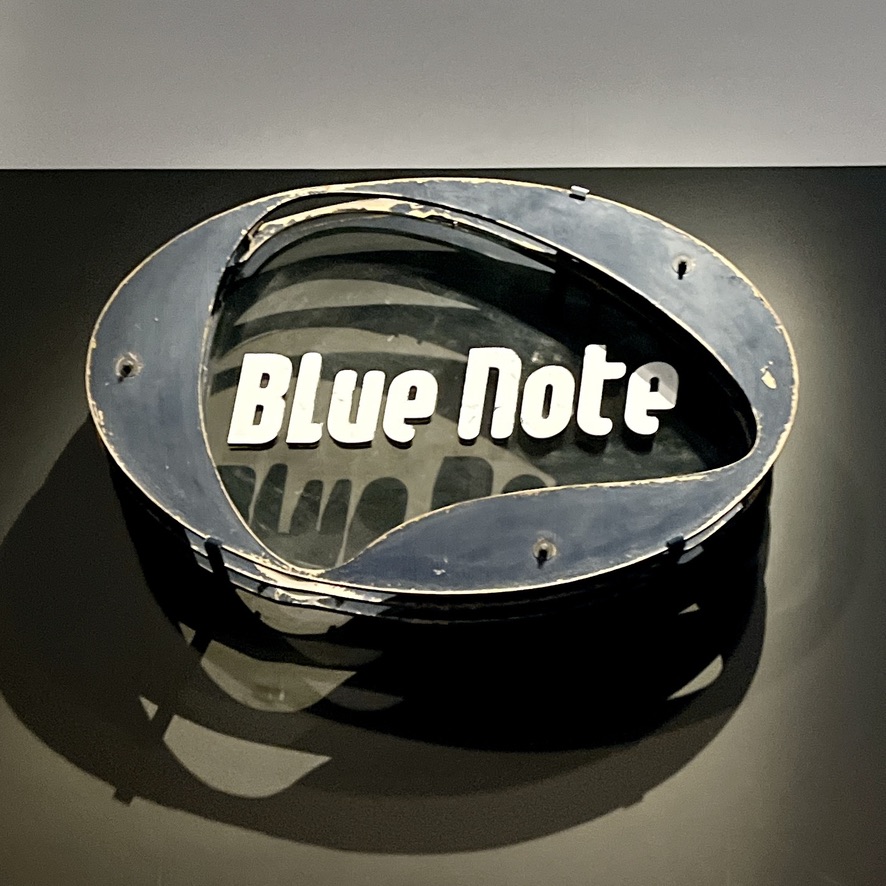
That story sits at the heart of Music Is Black, the new exhibition at V&A East. It traces the enormous influence of black musicians, performers and audiences on British culture. What emerges is not a story of parallel communities but of constant exchange. British music became great because it became mixed.
Precitably the soundtrack was amazing. You can listen to it here:
Equally predictably I thought that there were loads of tracks which should have been on the playlist but weren’t:
What was notable about the tracks was the dramatic change of tone. The 1960s wasn’t a paradise for race relations, but the mood of the music was upbeat. Jamaica had just become independent and that feeling of optimism flowed into British pop. Ska in particular was upbeat, happy music. Immigrants coming to the UK along with people born here had a feeling that things could, and would get better. Bob and Marcia’s “Young Gifted and Black” (1968) comes from this era.
By the 1970s the tone had changed massively. Jamaica had descended into political violence, and Britain was suffering from a backlash to the 1968 Race Relations Act, and the arrival of East Africa Asian immigration. “Is It Because I’m Black” by Ken Boothe is only a few years after Bob And Marcia, but the feeling is completely different:
It was from this period that the most interesting blend of Black and White music happened.
Two Tone.
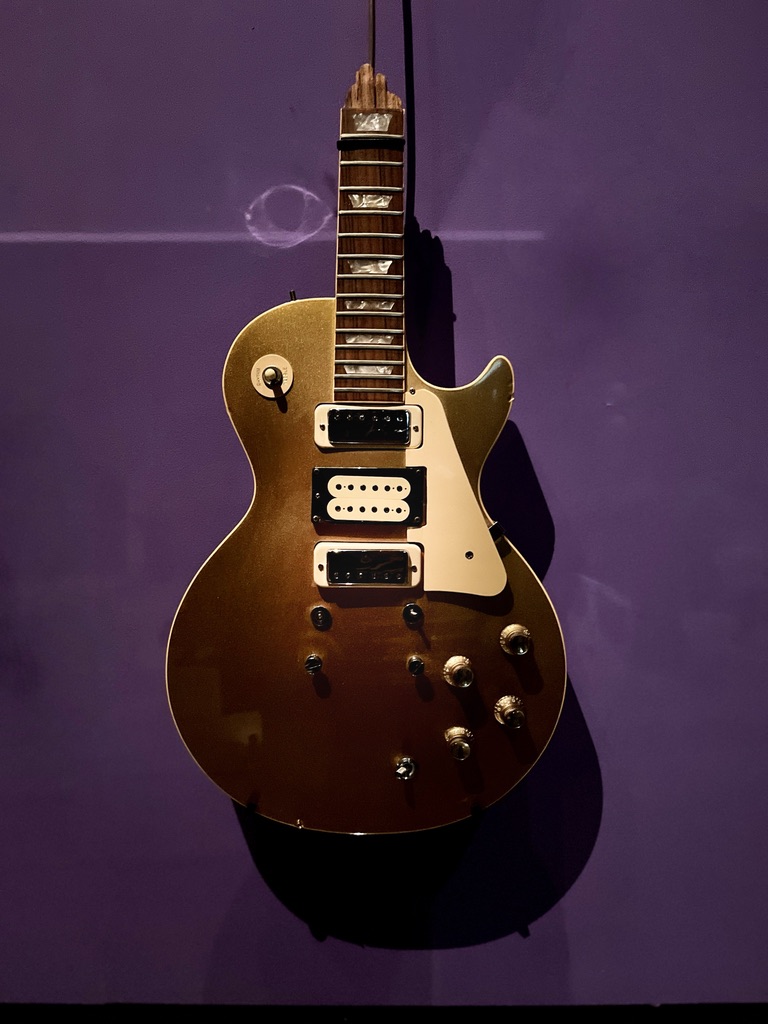
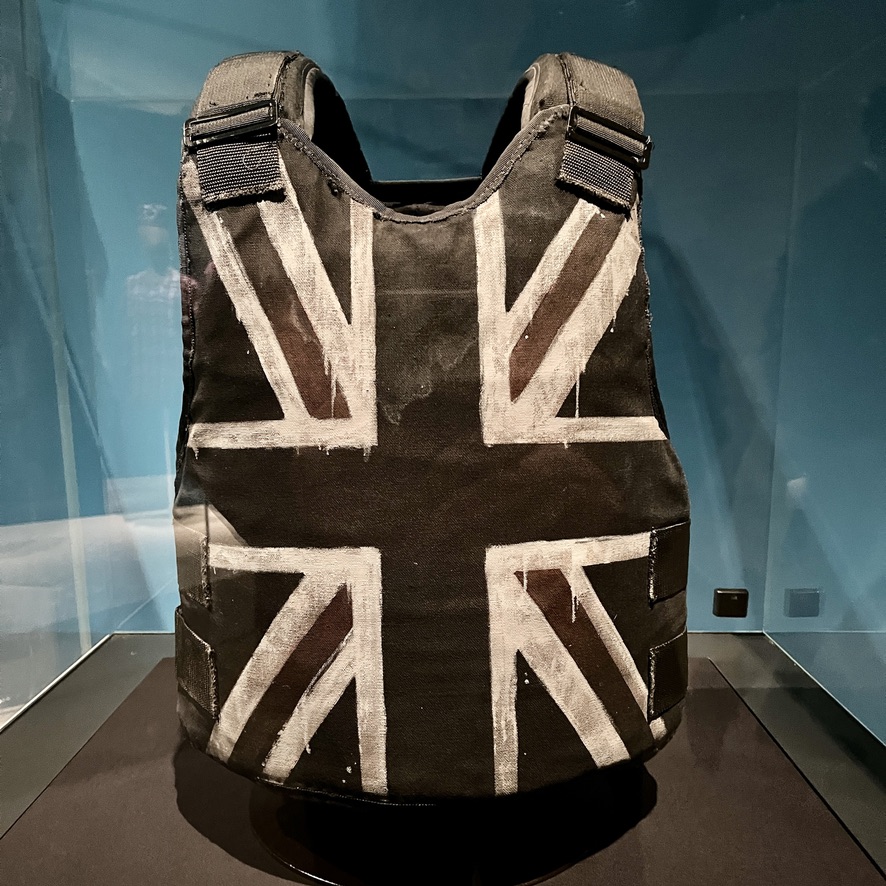
There was Kix Thompson’s tenor saxophone. Neville Staple’s pork pie hat. Objects that belonged not simply to musicians but to my own youth. Stagewear from Pauline Black, Rhoda Dakar and Poly Styrene.
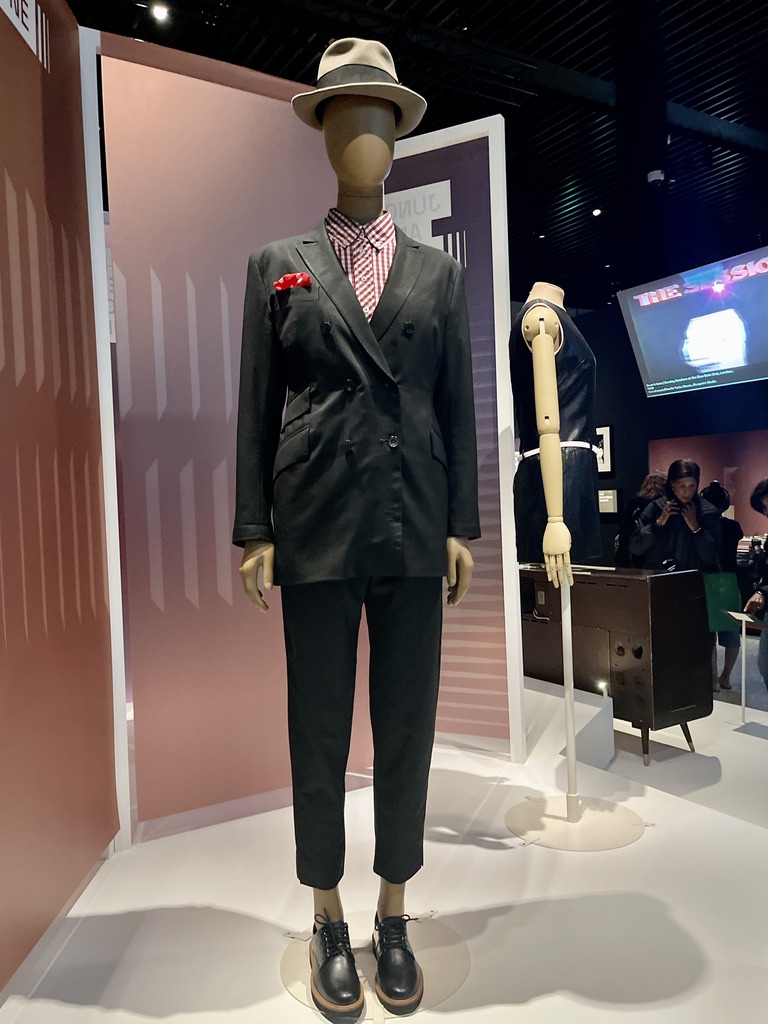
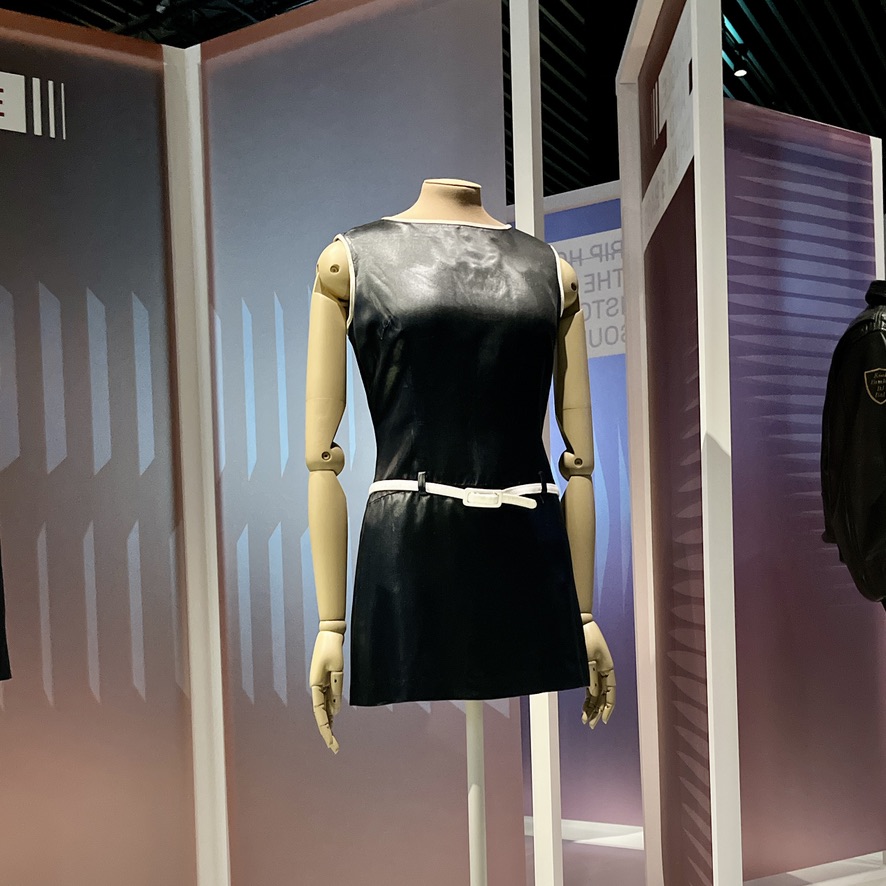
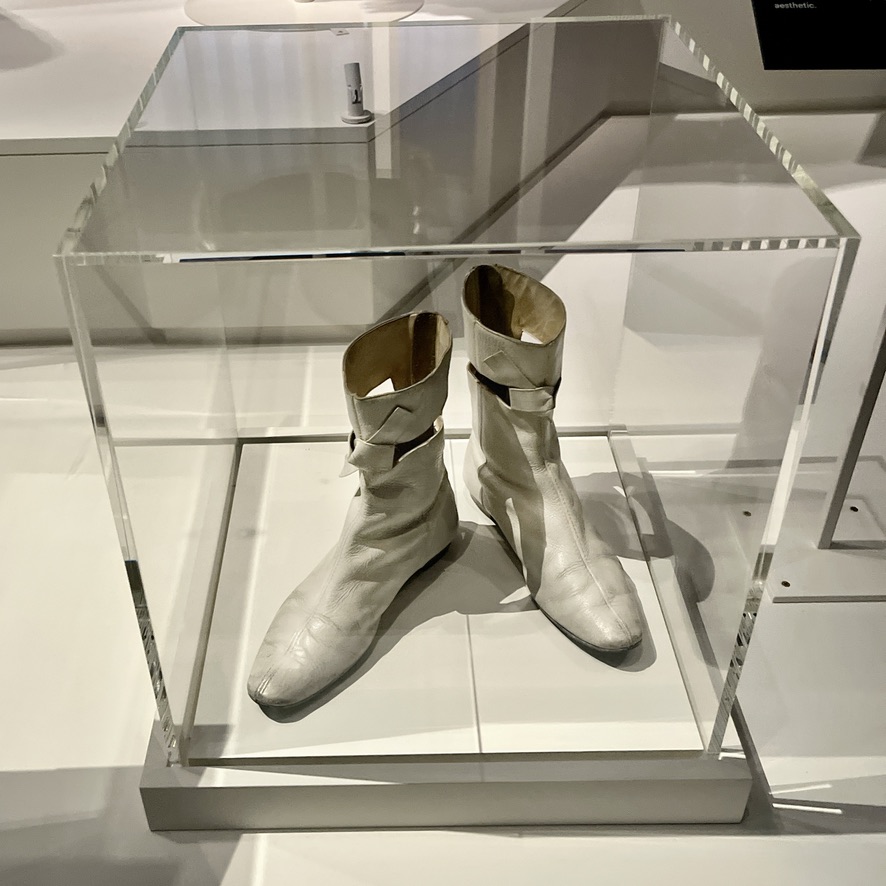
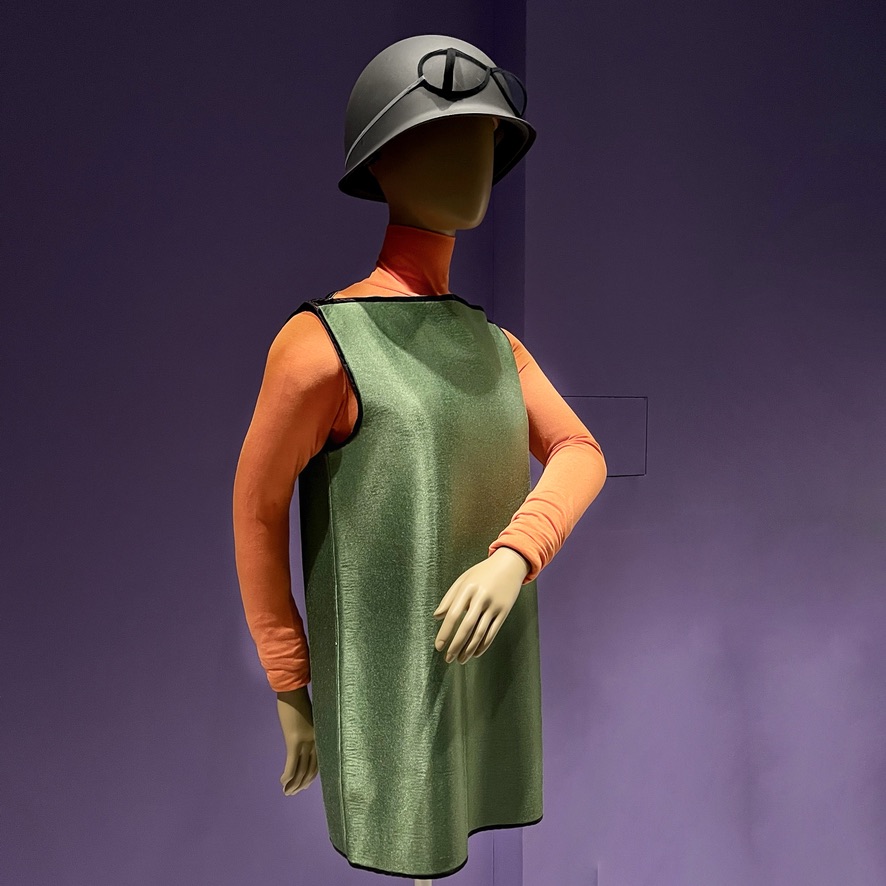
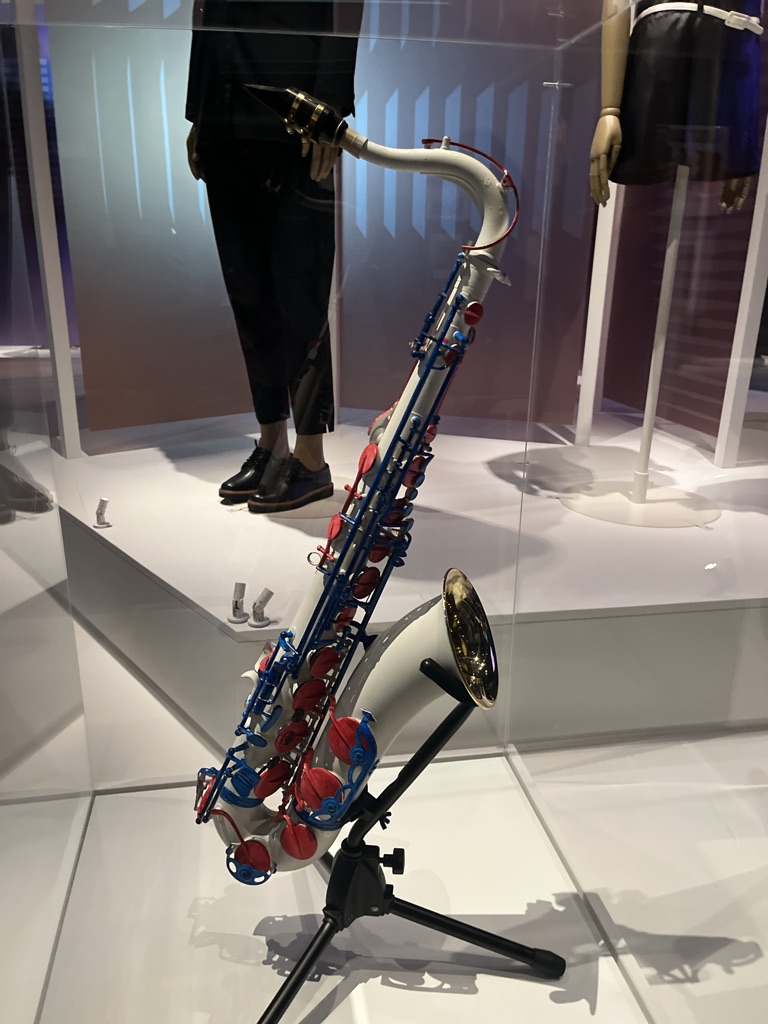

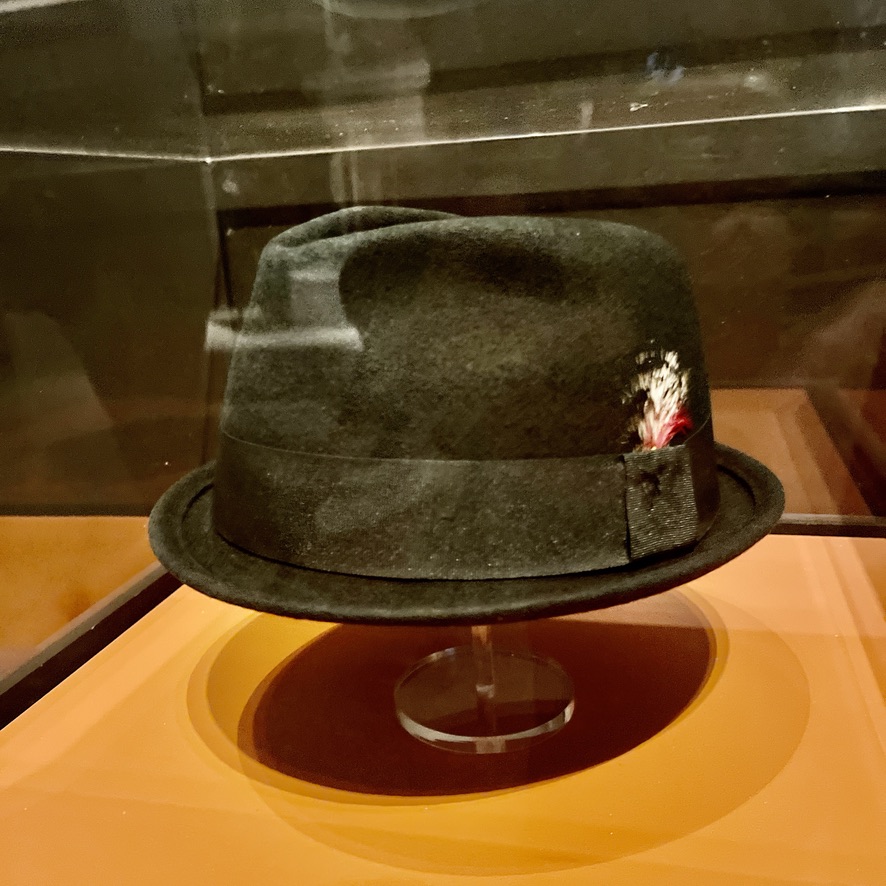
This was the first draft of my generation’s history.
People often talk about music as entertainment. For many of us it was much more than that. Two Tone, ska and reggae were not simply records we listened to. They were a way of seeing the world.
I grew up in an overwhelmingly white town and attended an overwhelmingly white school. Yet the music that shaped my life was steeped in black culture. Neville Staple, Pauline Black, Ranking Roger and countless others were not exotic outsiders. They were heroes.
They looked impossibly cool. They dressed better than anyone else. But they also carried a message. Two Tones message “Black and White Unite”, was not subtle. Nor was the sight of black and white musicians sharing a stage at a time when parts of Britain were tearing themselves apart over race. I spent years obsessing about how they looked, trying to dress like them, raiding parents and grandparents wardrobes and charity shops. Being cool matters when you are a teenager and they were cooler than anyone else I had ever seen.
Looking back, I realise how much that mattered.
The generation that grew up with Two Tone became unusually comfortable with diversity. We moved to big cities. We travelled. We made friends from different backgrounds. We married people from different backgrounds. Multiculturalism wasn’t a theory. It was simply life.
That is why I find some of today’s nostalgia so puzzling.
Spend time on Facebook Two Tone groups and you will find people complaining about immigration, multiculturalism and political correctness. Earlier this year some Paul Weller fans were furious when he supported screenings of The Voice of Hind Rajab, a movie about Gaza. Apparently they had somehow missed forty years of Paul Weller’s political activism.
I find it hard to understand how people listened to the same records and heard a different message.
Perhaps the difference is that some of us left small towns. We moved to cities. We built diverse friendships and relationships. We turned the ideals contained in those records into lived experience.
Others remained where they were and retreated instead into a kind of synthetic nostalgia. They became obsessed with a version of Britain they never actually experienced. Endless war films, Second World War anniversaries, endless stories about a vanished golden age. Phony nostalgia for a world they never knew. Getting angry on-line about the modern world.
The irony is that they already had something better.
The Britain celebrated by Two Tone was optimistic, diverse, outward-looking and confident. It was a Britain that absorbed influences from elsewhere and became richer as a result.
That is the Britain I recognise.
Walking around Music Is Black, I realised that the exhibition is about much more than music. It is about how modern Britain was made. Each generation writes it’s own history books, tells it’s owns story. Music is Black is the first chapter of that book, and it was emotional seeing it in music cases, but also made me quite proud. We were a cool lot, who made something really special.
And, for better or worse, it is also about how my generation was made. Sadly some of my generation now want to tear it down, tear those chapters out of the history book. Luckily, that’s not how history works.
I’m sceptical that British popular music in the ’60s was much affected by immigration, because the black musical forms (blues, rhythm and blues, gospel and jazz) that you mentioned were all black American musical forms, while black immigration to Britain was overwhelmingly from the Caribbean. It wasn’t until well into the ’70s (with the Two Tone phenomenon you mentioned) that Caribbean styles such as ska, reggae and rocksteady began to influence music performed by white Britons.
The influence was (as you originally said) more from American popular music, which explained the pivotal role of Liverpool as a west-coast port city which interacted heavily with the United States. I wonder if the prominence of Liverpool (as opposed to other west-coast port cities such as Bristol or Glasgow) was down to also having a large share of the white ethnicity (ie the Irish) with a disproportionate impact on the development of popular music in the Anglosphere?
Bristol had a much smaller Irish population in the first place, and while Glasgow did have a significant Irish population, it was likely more marginalized in the ’60s by sectarianism: this was long fiercer in Scotland than in England, likely because the Church of Scotland was full-fat Protestant in a way that the Church of England was not.